

Carrie Finds New Life in a Darker More Expansive Story
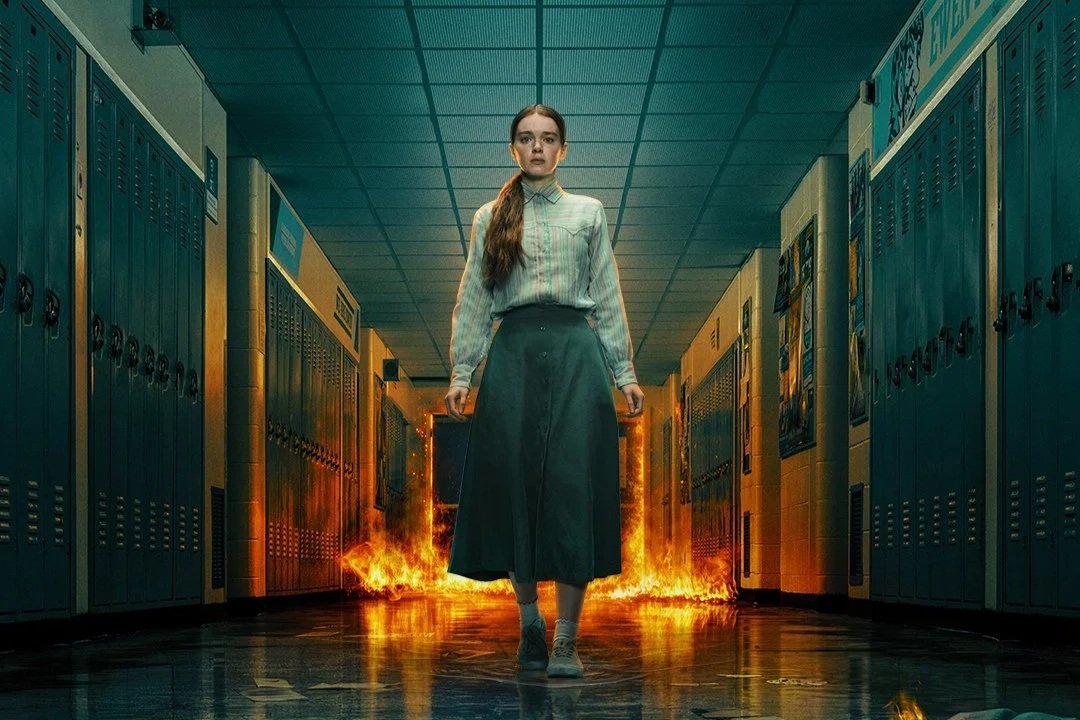
We may already know how Carrie White’s story ends, but Mike Flanagan’s Carrie makes the journey feel different. Based on Stephen King’s 1974 novel, the eight-episode Prime Video series returns to one of horror’s most recognisable characters, giving her story more room to unfold while introducing new ideas that take it beyond familiar territory.
Having watched the 2013 film starring Chloë Grace Moretz, I was curious to see what another adaptation could bring to a story that has been told several times before. What makes this version interesting is its willingness to slow down. Instead of focusing almost entirely on the events leading to prom night, the series spends more time exploring Carrie’s isolation, her complicated relationship with her deeply religious mother, Margaret, and the cruelty she encounters when she steps into the outside world.
That additional time gives Carrie a more personal dimension. She is not simply the quiet girl with extraordinary powers; she is a teenager trying to understand people, relationships, and a world she has been sheltered from for much of her life. The introduction of social media also gives the bullying a contemporary edge, showing how humiliation can spread beyond the school corridors and follow someone wherever they go.
A Deeper Look at the Girl Behind the Horror
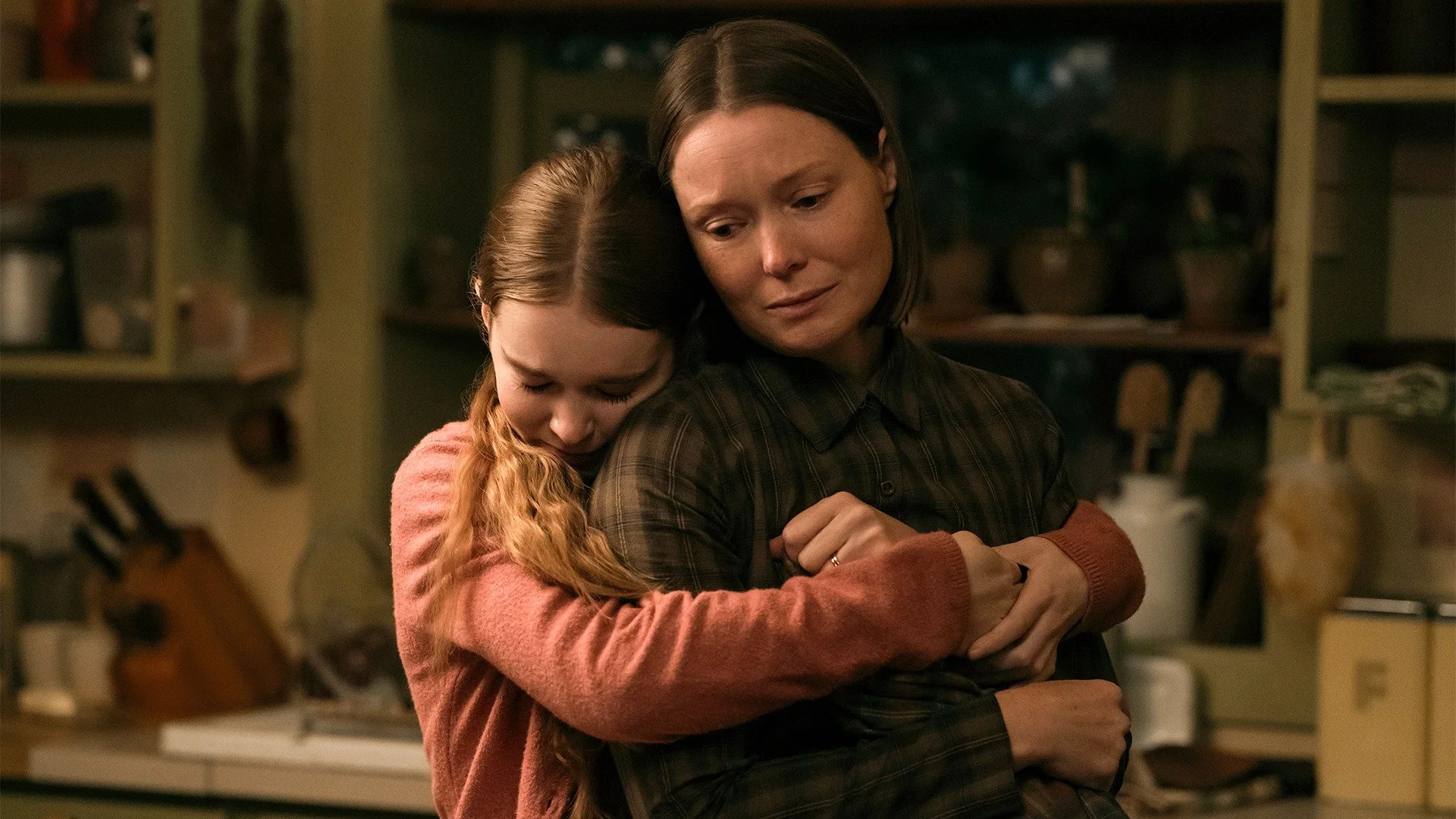
Summer H. Howell brings a fragile, often unsettling vulnerability to Carrie, making her curiosity and loneliness as compelling as her growing powers. Samantha Sloyan is equally effective as Margaret, whose religious convictions and need for control create an atmosphere of fear within their home. Their relationship adds another layer to the story, making it clear that Carrie’s struggles do not begin or end at school.
The series benefits from this expanded perspective. Supporting characters receive more room to develop, while the events surrounding Carrie feel connected to a wider pattern of cruelty, fear, and manipulation. There is more to consider than the familiar image of a girl pushed too far.
The slower pacing will not work for everyone, and some episodes take their time getting to the horror. Personally, I appreciated the opportunity to spend longer with Carrie before the story reaches its breaking point. The series is less interested in simply recreating iconic moments than in examining the experiences and relationships that give them meaning.
The Ending Changes Everything
Spoilers ahead.
The finale is where Carrie takes its biggest creative risk. Just when the story appears to be heading towards its familiar tragic conclusion, it opens up into a much wider supernatural mystery.
Emaline, whose connection to Carrie becomes increasingly important, is central to this shift. The series also introduces a mysterious network of women with psychic abilities, creating an atmosphere that feels almost like a supernatural coven. Suddenly, Carrie’s powers seem to belong to a much larger world, one with its own secrets, competing interests, and unanswered questions.
The biggest departure from earlier adaptations is Carrie’s fate. Rather than ending with the same sense of finality, this version allows her to survive and leave with Emaline. It is a surprising decision that changes how we understand the events leading up to prom night and leaves the door open for further stories.
I found this direction intriguing, even if I have mixed feelings about it. The coven-like mythology adds an unexpected dimension and makes the ending memorable, but it also shifts attention away from the personal tragedy at the heart of Carrie’s story. The original premise is powerful because it forces us to confront what happens when a vulnerable person is repeatedly mistreated. Expanding that story into a larger supernatural universe creates exciting possibilities, although I am not entirely convinced that every new layer strengthens the emotional impact.
Still, the finale gave me something I did not expect from another Carrie adaptation: a reason to wonder what happens next.
Our Verdict
Carrie is a worthwhile reimagining that does more than revisit a familiar horror story. Its greatest strength lies in its deeper exploration of Carrie herself, supported by compelling performances and a modern take on bullying that feels particularly relevant. While the pacing occasionally feels stretched and the expanded supernatural mythology may divide viewers, the series offers enough fresh ideas to stand apart from the earlier film adaptations.
I enjoyed this version because it takes the time to explore Carrie’s world before daring to change where her story leads. The finale may not be an entirely satisfying departure from the original tragedy, but it is bold enough to leave an impression.
Our verdict: 8.5/10
If you enjoy character-driven horror with psychological tension and a supernatural mystery that grows beyond its original premise, Carrie is worth adding to your Prime Video watchlist.
