

The World of John Galliano Before Zara
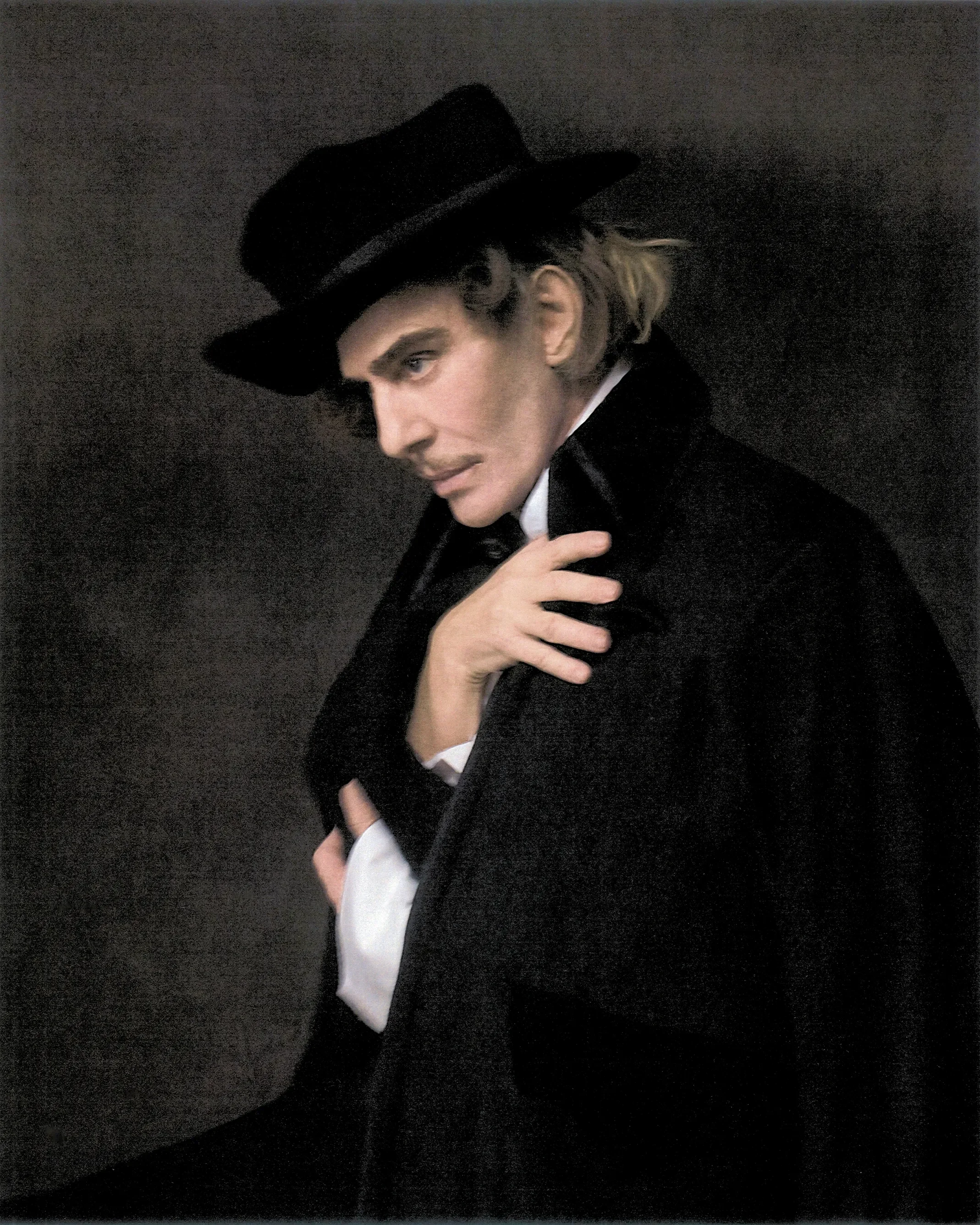
Few designers have approached fashion as a form of storytelling quite like John Galliano. Known for his romantic imagination, dramatic silhouettes and meticulous craftsmanship, the British designer has spent much of his career turning clothing into a world of its own.
From London to the Paris Fashion Houses
John Galliano first attracted attention with his work at Central Saint Martins in London, where his graduate collection, Les Incroyables, established his fascination with historical references and theatrical dressing. He launched his own label in 1984, building a reputation for collections that combined meticulous tailoring with extravagant narratives.
His move to Paris brought new opportunities. In 1995, John Galliano was appointed creative director of Givenchy, becoming the first British designer to lead the French couture house. The following year, he moved to Christian Dior, beginning a defining chapter that would make him one of fashion’s most recognisable creative forces.
At Dior, John Galliano brought spectacle to the runway without losing sight of the house’s couture heritage. His collections drew from history, art and global references, creating silhouettes that felt romantic, extravagant and unapologetically theatrical. His tenure lasted until 2011, leaving behind an era remembered for its ambitious runway productions and distinctive visual language.
A Different Kind of Reinvention at Maison Margiela
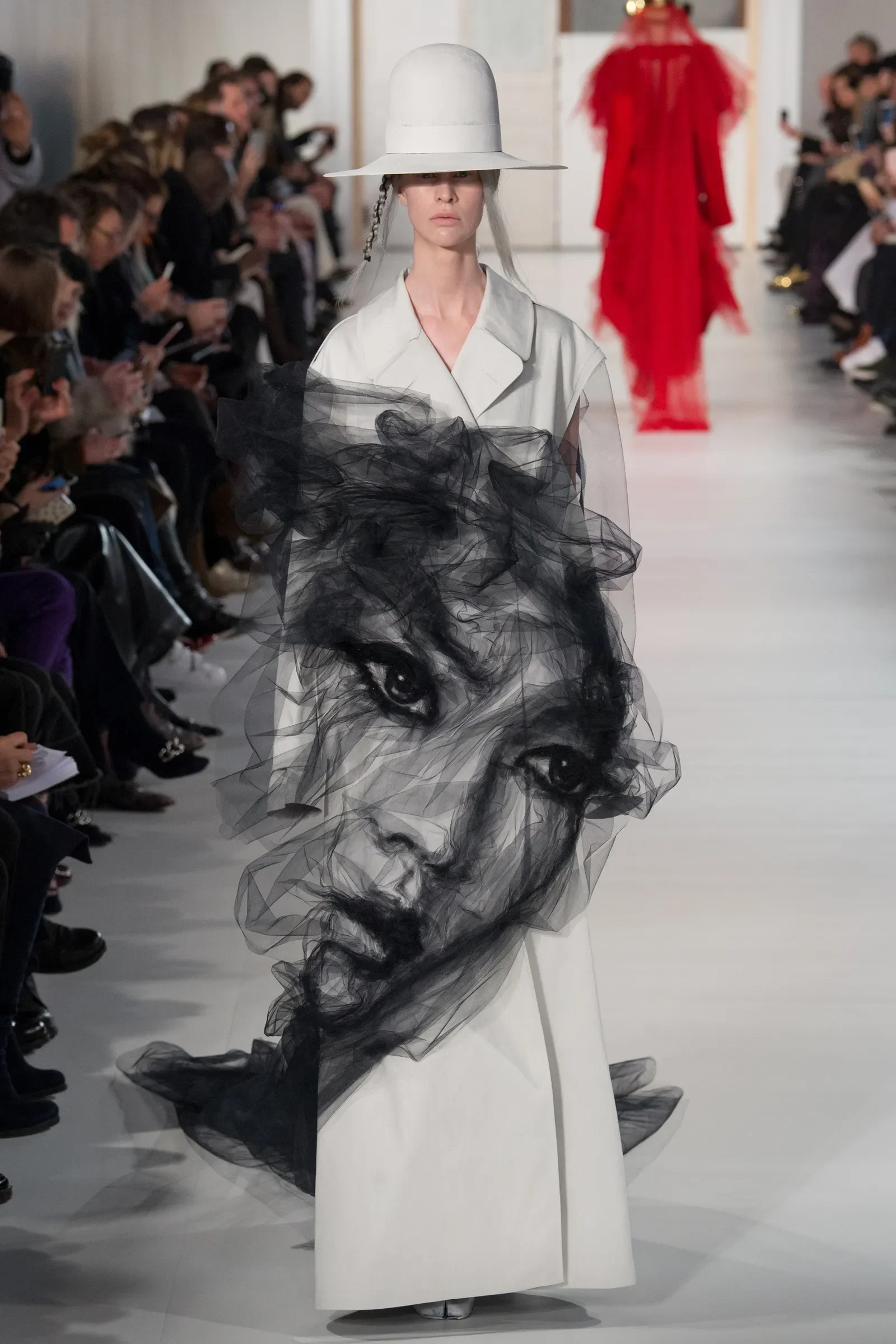
In 2014, John Galliano returned to the fashion spotlight as creative director of Maison Martin Margiela, later known as Maison Margiela. The appointment marked a striking shift from the public grandeur of Dior to a house celebrated for anonymity, deconstruction and unconventional design.
Over the next decade, Galliano developed a dialogue between his own theatrical instincts and Maison Margiela’s experimental philosophy. Through the Artisanal collections, he explored distressed textures, reconstructed garments, intricate craftsmanship and silhouettes that blurred the boundaries between fashion and performance.
His final Artisanal show for the house in 2024 became a defining moment of this chapter, demonstrating how his ability to create spectacle could evolve within a more conceptual fashion language.
Why Zara Is a Different Chapter
John Galliano’s partnership with Zara, unveiled in 2026, introduces a different creative proposition. Rather than beginning entirely from scratch, his Re{form} collection reworks existing Zara garments, transforming familiar wardrobe staples through altered proportions, reconstruction and unexpected styling.
The distinction is significant. At Dior, John Galliano interpreted the codes of a historic luxury house; at Maison Margiela, he explored the possibilities of deconstruction and artisanal technique. With Zara, he applies that experience to pieces designed for a far broader retail audience.
It is not simply a designer lending his name to the high street. The project raises a more interesting question: what happens when a couturier’s instinct for transformation meets the everyday clothes already hanging in our wardrobes?
For John Galliano, Zara marks another opportunity to explore fashion through reinvention. And for the industry, it offers a new perspective on a designer whose most enduring signature has never been one particular silhouette, but the ability to make familiar things feel entirely different.
Image Source: Vogue
