

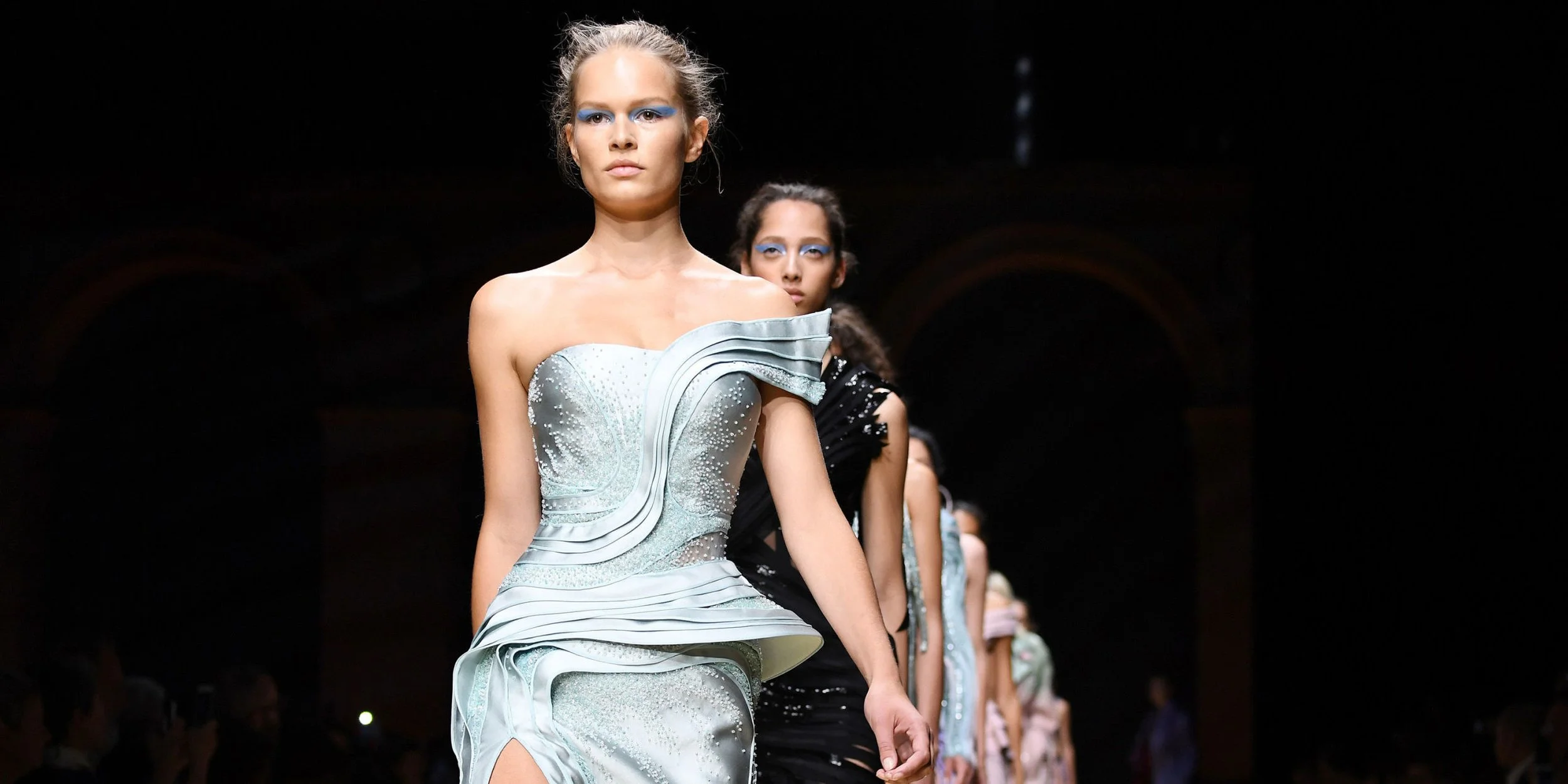
For an industry often driven by seasonal trends and commercial collections, haute couture represents something different. It is fashion at its most personal, where exceptional craftsmanship, intricate construction and hours of handwork come together to create pieces made for an individual rather than a mass audience.
Now, two major luxury houses are bringing renewed attention to this rarefied world. Versace is preparing its return to the Paris haute couture calendar in January 2027, while Hermès is getting ready to present its first-ever couture collection. Although their approaches are different, both announcements raise an intriguing question: is haute couture entering a new moment in luxury fashion?
Two Houses, Two Couture Milestones
For Versace, the upcoming show marks a significant return. The house last presented a dedicated Atelier Versace couture runway collection in 2016. Its January 2027 appearance will also introduce the first couture collection by Pieter Mulier as the brand's creative director, bringing a new creative perspective to one of fashion's most recognisable names.
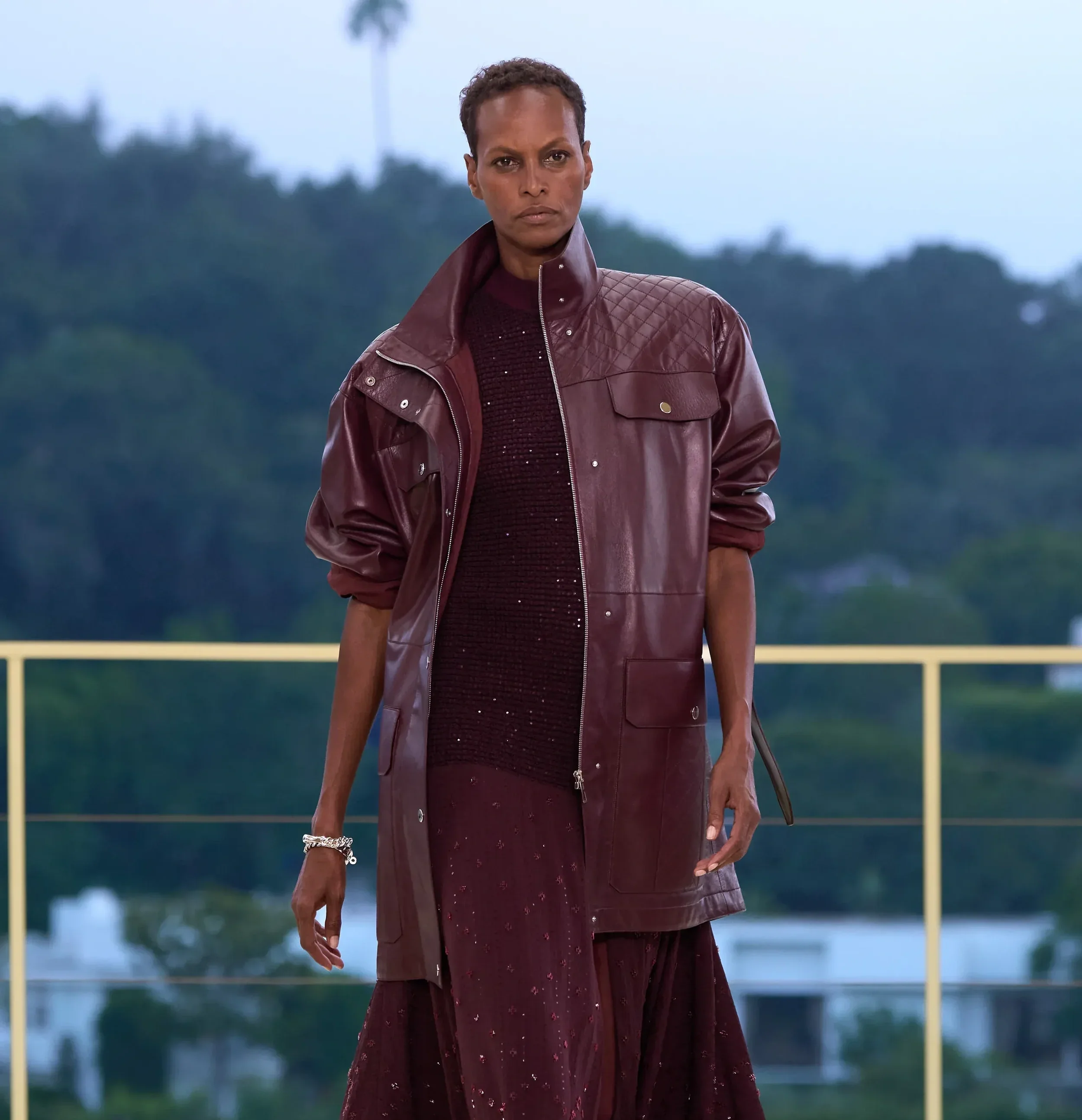
Hermès, meanwhile, is preparing to enter an entirely new chapter. Its first haute couture collection will be designed by Nadège Vanhée, who has led the house's womenswear since 2014. Known for its exceptional leather craftsmanship and understated approach to luxury, Hermès brings a different sensibility to couture. Rather than relying on spectacle, its debut is expected to place particular attention on materials, technique and the precision behind each creation.
The two developments represent different milestones, but both reinforce the enduring appeal of fashion made with an exceptional level of care.
Why Craftsmanship Matters Again
Haute couture has always occupied a unique position in the fashion industry. Unlike ready-to-wear, couture garments are created through highly specialised techniques, extensive handwork and individual fittings. The process can involve embroidery, intricate fabric manipulation and hours of work by skilled artisans.
For luxury houses, this level of craftsmanship is more than a design statement. It communicates the values and expertise behind a brand, reinforcing an identity that cannot easily be replicated through mass production.
That distinction feels particularly relevant today. As luxury fashion continues to navigate changing consumer expectations, couture offers something increasingly rare: time, personal attention and a tangible connection to the people who make the clothes. Its value is not simply in the finished garment, but in the skill and process behind it.
A New Chapter for Luxury Fashion?
The renewed interest in couture does not necessarily mean that every luxury house will return to the runway. The category remains highly exclusive, with demanding standards and a limited clientele. Its influence, however, extends far beyond the small number of people who can commission these creations.
Couture shapes the visual language of a fashion house, influences its ready-to-wear collections and creates some of the industry's most memorable red-carpet moments. It also gives designers room to explore ideas and techniques that may not be possible within commercial fashion.
With Versace returning and Hermès preparing to make its debut, January 2027 could become an especially interesting moment for Paris Couture Week. Whether these moves signal a wider revival or simply reflect the individual ambitions of two established houses, they remind us why craftsmanship remains central to the idea of luxury.
In a fashion landscape that rarely slows down, perhaps the greatest statement is still the ability to create something that cannot be rushed.
Image Source: Vogue
